What Is a Cross-Chain Crypto Swap?
A cross-chain crypto swap exchanges an asset on one blockchain for an asset on another blockchain. You send the source cryptocurrency on its native or selected network and receive the destination cryptocurrency on a different network.
For example, BTC to ETH moves from Bitcoin to Ethereum, while USDT to BTC can start with Tether on a supported token network and finish with native Bitcoin.
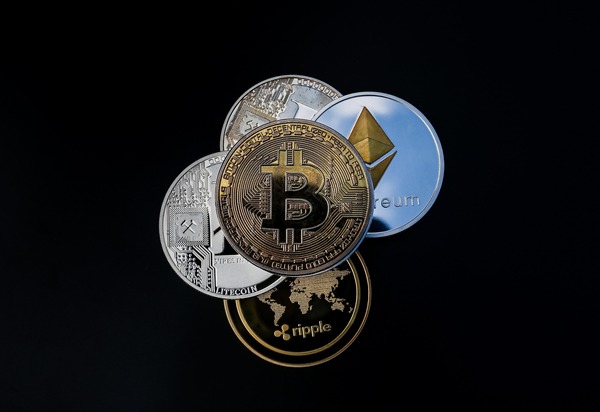
Cross-Chain Swap Examples
| Pair | Source side | Destination side |
|---|---|---|
| BTC → ETH | Bitcoin network | Ethereum network |
| ETH → BTC | Ethereum network | Bitcoin network |
| BTC → XMR | Bitcoin network | Monero network |
| SOL → XMR | Solana network | Monero network |
| USDT → BTC | Selected USDT network | Bitcoin network |
The important point is that the source and destination are not just different tickers. They can use completely different blockchain systems, address formats, confirmation models and network fees.
Source Network and Destination Network Have Different Jobs
Every cross-chain swap has two sides.
The source side determines:
what asset you send;
which blockchain carries the deposit;
what address receives the deposit;
how the source transaction reaches confirmation.
The destination side determines:
what asset you receive;
which blockchain carries the payout;
what receiving address must be entered;
where the converted funds arrive.
This is why BTC to ETH and ETH to BTC are different exchange routes. Reversing the pair changes both the sending network and the receiving network.
Native Coins and Multi-Network Tokens Are Not the Same
Native assets belong directly to their blockchains. BTC belongs to Bitcoin, ETH belongs to Ethereum, SOL belongs to Solana and XMR belongs to Monero.
Tokens such as USDT can exist on more than one blockchain. In that case, the token name alone is not enough. The selected network becomes part of the route.
If a swap includes Tether, read how to choose the correct USDT network. A USDT deposit on TRON is a different blockchain transaction from a USDT deposit on Ethereum even though both use the USDT ticker.
How an Instant Exchanger Handles a Cross-Chain Order
From the user's point of view, the process is simple:
- Select the source and destination assets.
- Select networks where required.
- Enter the destination wallet address.
- Create the exchange order.
- Send the source asset to the provided deposit address.
- Wait for the source transaction to reach the required confirmation stage.
- Receive the destination asset on the other blockchain.
The exchanger handles the conversion between the two sides of the route. The user does not need to manually sell the first coin into an intermediate balance and then place a second trade for the destination coin.
The complete order flow is covered in how an instant crypto swap works.
Cross-Chain Timing Depends on the Source Side First
A cross-chain exchange cannot move to conversion before the source deposit is detected and reaches the required confirmation state.
That means the same destination asset can arrive at different speeds depending on what you send.
For example:
For more detail, see blockchain confirmations in crypto swaps.
Network Fees Can Exist on Both Sides of the Route
The sending wallet normally pays the blockchain fee required to broadcast the source transaction. The exchange quote can also reflect destination-side network costs and route conditions.
This is one reason why two swaps with the same dollar value can have different minimums or estimated payouts.
The relationship between small orders and network costs is explained in crypto exchange minimums.
Cross-Chain Swap vs Moving the Same Token Between Networks
These two actions can look similar but have different intents.
A BTC → ETH order changes both the asset and blockchain.
A USDT-on-TRON → USDT-on-Ethereum route keeps the same token ticker but changes the underlying blockchain network.
In both cases, the exchange order has a source network and a destination network. The main difference is whether the asset itself also changes.
What to Check Before a Cross-Chain Swap
Before creating the order:
confirm the pair direction;
identify the source blockchain;
identify the destination blockchain;
make sure the receiving wallet supports the destination asset and network;
verify the destination address format;
review the pair minimum;
These checks keep the focus on the actual route rather than only the coin symbols.
FAQ
Not necessarily. A cross-chain instant exchange converts the source asset into the destination asset and pays it out on another network. A bridge usually focuses on moving a token or representation between blockchain environments.
Yes. A BTC to ETH exchange uses Bitcoin as the source network and Ethereum as the destination network.
The payout is sent on the destination blockchain. The receiving address therefore has to support that asset and network.
No. The source blockchain confirmation stage, route liquidity and destination payout conditions can differ from pair to pair.
Yes when the USDT deposit is sent on a token network such as TRON or Ethereum and the destination payout is native Bitcoin.