How Does an Instant Crypto Swap Work?
An instant crypto swap converts one cryptocurrency into another through a single exchange order. You choose what you send, choose what you want to receive, enter a destination wallet address, send the deposit, and receive the converted asset after the order is processed.
Unlike a traditional trading account, the flow is built around one transaction rather than an account balance, order book, or trading dashboard.
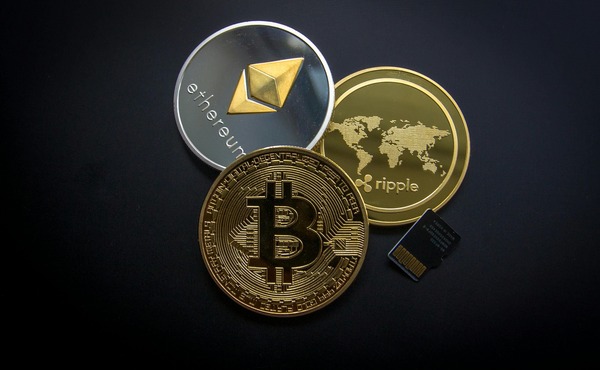
How an Instant Crypto Swap Works in Simple Terms
A typical instant exchange has five main stages:
- Choose the cryptocurrency you want to send and the asset you want to receive.
- Select the required blockchain network when an asset exists on more than one chain.
- Review the quote and enter the wallet address for the payout.
- Send the requested amount to the deposit address created for the order.
- Wait for confirmations, conversion, and direct payout to your destination wallet.
The whole process is easier to understand when you treat the swap as one route from a source asset and network to a destination asset and network.
Choose the Pair and Network First
The direction of the pair defines the exchange. For example, a BTC to XMR swap starts with Bitcoin and ends with Monero, while XMR to BTC starts on the Monero network and pays out native Bitcoin.
For native coins such as BTC, ETH, LTC or SOL, the source network is usually clear. Tokens such as USDT can exist on several blockchains, so the network is part of the order itself.
If you are sending or receiving Tether, use the USDT network guide before creating the order. The ticker may be the same, but USDT on TRON, Ethereum and other supported chains travels through different blockchain networks.
Review the Quote Before Creating the Order
After you enter an amount, the exchange form calculates an estimated payout for the selected pair.
The quote normally reflects:
the current market relationship between the two assets;
the selected exchange-rate model;
available route liquidity;
network-related costs where applicable;
the current minimum and maximum available for the route.
On Exchange No KYC, quotes refresh every 12 seconds before order creation. When both pricing modes are available, you can choose between fixed and floating conditions. The detailed difference is explained in fixed vs floating crypto exchange rates.
Enter the Destination Wallet Address
The destination address tells the exchange where to send the converted cryptocurrency.
This is different from keeping funds on an exchange balance. The payout is sent directly to the wallet address entered for that order.
For a cross-chain pair, the receiving address belongs to the destination blockchain. A BTC to ETH order, for example, begins with a Bitcoin deposit but ends at an Ethereum address. See how cross-chain crypto swaps work for the network side of this process.
Send the Deposit for the Order
Once the order is created, the exchange shows the deposit details. These normally include the asset, network, amount, deposit address and order ID.
You then send the source cryptocurrency from your wallet to the order deposit address.
| Order stage | What happens |
|---|---|
| Quote | The form calculates the expected receive amount |
| Order created | Deposit details and destination address are linked to one order |
| Deposit sent | The source transaction is broadcast to its blockchain |
| Confirmations | The exchange waits for the required source-chain confirmation stage |
| Conversion | The deposited asset is exchanged into the destination asset |
| Payout | The converted cryptocurrency is sent to the receiving wallet |
Keeping the order ID makes it easier to follow the transaction from deposit through payout.
Blockchain Confirmations Come Before Conversion
A blockchain transaction is not always treated as final the moment it appears in a wallet or explorer. The exchange may wait for a required confirmation stage before moving the order into conversion.
The source blockchain determines this part of the timing. Bitcoin, Ethereum, Litecoin and Solana do not confirm transactions in exactly the same way or at the same speed.
The dedicated crypto swap confirmations guide explains why this stage exists and how it affects exchange timing.
The Converted Asset Is Paid to Your Wallet
After the source deposit is confirmed and the exchange is completed, the destination cryptocurrency is sent to the receiving address entered in the order.
Examples include:
This direct payout is the final stage of the swap. You do not need to place a second trade just to move the result from an internal trading balance to your wallet.
Instant Swap vs Traditional Exchange Account
An instant exchanger is designed for a direct conversion. A traditional exchange account is designed for ongoing trading and balance management.
With an instant swap, the user usually focuses on:
one pair;
one amount;
one deposit;
one destination address;
one exchange order.
That simpler structure is why instant exchanges are often used for wallet-to-wallet conversions between different assets and networks.
What to Check Before Starting a Swap
Before creating an order:
- confirm the send and receive assets are in the correct direction;
- select the correct network for multi-network tokens;
- check the current minimum for the pair;
- choose fixed or floating pricing when both are available;
- verify the receiving wallet supports the destination asset and network;
- keep enough source asset to cover your wallet's blockchain fee;
- save the order ID after creating the exchange.
If an existing order is taking longer than expected, use the delayed crypto swap guide rather than recreating the whole exchange flow.
FAQ
The standard Exchange No KYC flow is built around individual crypto-to-crypto orders rather than a conventional trading account. You select a pair, create the order, send the deposit and receive the payout to your wallet.
The quote is shown before the order is created. If fixed and floating options are available, you choose the pricing model at that stage.
The source transaction may need blockchain confirmations before conversion begins. The required stage depends on the source asset and network.
It can. Pairs such as BTC to ETH, ETH to XMR and USDT to BTC are cross-chain exchanges because the source and destination use different blockchain networks.
The destination asset is sent to the receiving wallet address entered when the order is created.